Planning a trip to Northeast India? Discover the ideal seasons for exploring Assam, Meghalaya, Sikkim, and beyond — from misty winters to vibrant festival months.
Northeast India is one of those rare destinations that surprises you in every season. Whether you're watching the Brahmaputra flood its banks in monsoon, witnessing the rhododendrons bloom across Sikkim in spring, or catching the golden light on Kaziranga's grasslands in winter — there is never truly a wrong time to visit. But there is always a right time, depending on what you're chasing.
October to February: The Golden Season
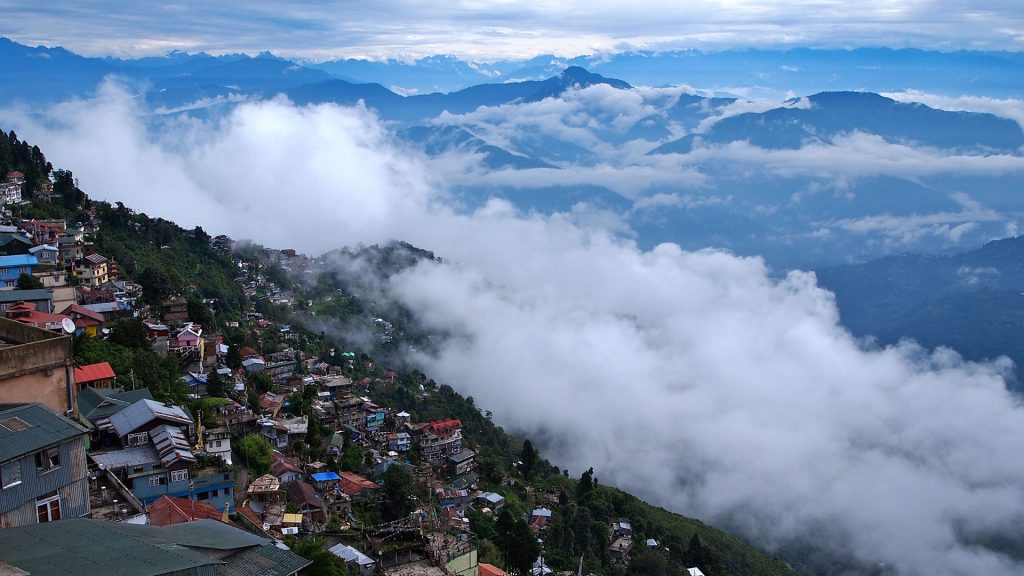
The period from October to February is widely considered the best time to visit Northeast India. The skies are clear, temperatures are comfortable, and wildlife is at its most visible. Kaziranga and Manas national parks are fully operational, making this prime safari season. In Sikkim and Arunachal, the mountain views are crisp and spectacular — on a clear morning, you can see Kangchenjunga from Gangtok without a cloud in sight.
Winter Highlights
- Kaziranga National Park (Nov–Apr): Best for rhino and elephant sightings
- Dzukou Valley Trek (Oct–Nov): Before snowfall blankets the trails
- Hornbill Festival, Nagaland (December): The greatest tribal gathering in Northeast India
- Orange Festival, Meghalaya (November–December): A celebration of the harvest
- Losar, Sikkim (Jan–Feb): Tibetan New Year festivities with monastery rituals
March to May: Spring Blooms and Festivals
Spring transforms the region dramatically. Sikkim turns electric with blooming rhododendrons — more than 36 species carpet the hillsides in shades of crimson, pink, and white. The Yumthang Valley becomes a natural flower sanctuary in April. Cherrapunji and the living root bridges of Meghalaya are best explored now before the intense monsoon arrives. Temperatures start rising in the plains, but the hills remain perfectly pleasant.
Bihu, Assam's most exuberant harvest festival, falls in April and is a wonderful cultural experience. Streets erupt with traditional dance, music, and incredible food. If you've never seen Bihu performed live, this is the month to be in Guwahati.
June to September: The Monsoon Immersion
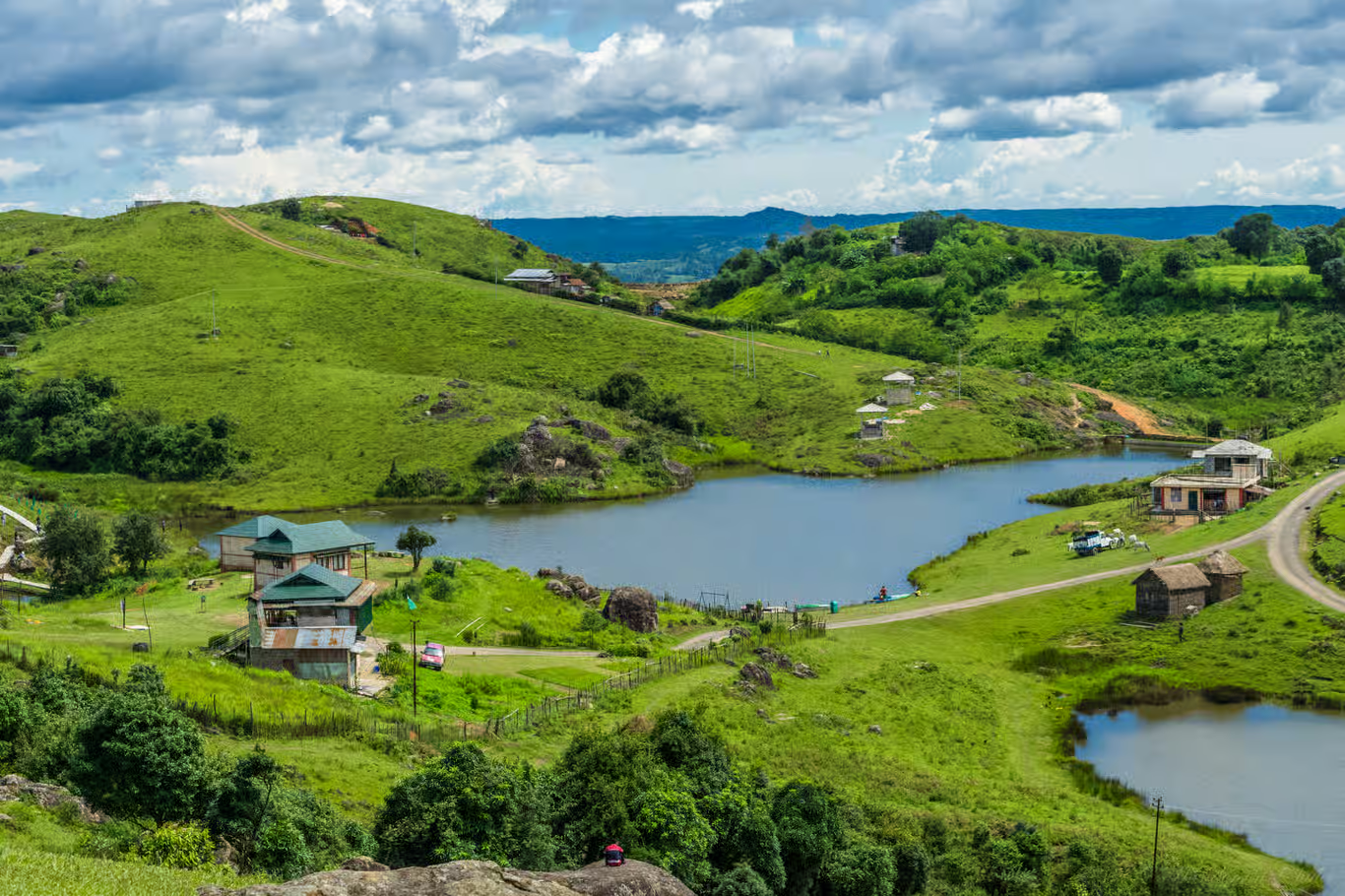
This is not the season for everyone, but it has its own magic. Meghalaya becomes surreally green and alive. Waterfalls that are a trickle in winter become roaring curtains of white. The living root bridges glisten. The landscape turns so deeply green it almost looks unreal. Some parts of Arunachal become difficult to access due to landslides, and national parks close for the season — but for photographers and nature seekers comfortable with rain, this is arguably the most beautiful time.
Monsoon Travel Tips
- Carry quality waterproof gear — ponchos, dry bags, and waterproof shoes
- Book accommodations in advance as options are limited during off-season
- Avoid Arunachal Pradesh mountain roads; landslides are frequent
- Meghalaya and Assam remain accessible and stunning in the rains
- Leech socks are a practical necessity for jungle walks
| Month | Weather | Rating |
|---|---|---|
| January | Cold & Clear | |
| February | Cold & Clear | |
| March | Warming Up | |
| April | Warm | |
| May | Hot & Humid | |
| June | Monsoon Begins | |
| July | Heavy Monsoon | |
| August | Heavy Monsoon | |
| September | Monsoon Retreats | |
| October | Post-Monsoon | |
| November | Cool & Clear | |
| December | Cold & Clear |
No matter which month you choose, Northeast India will leave a mark on you. The region's diversity — eight states, hundreds of tribes, dense forests, and some of the highest peaks in India — means every visit is different. At Rhino Holidays, we plan trips throughout the year and know exactly which experiences to pair with each season. Reach out to us and we'll help you plan your perfect Northeast journey.
Tags

Rhino Holidays Team
Travel experts based in Guwahati, Assam — specialising in Northeast India.